







Search Results for: coffee bed depth
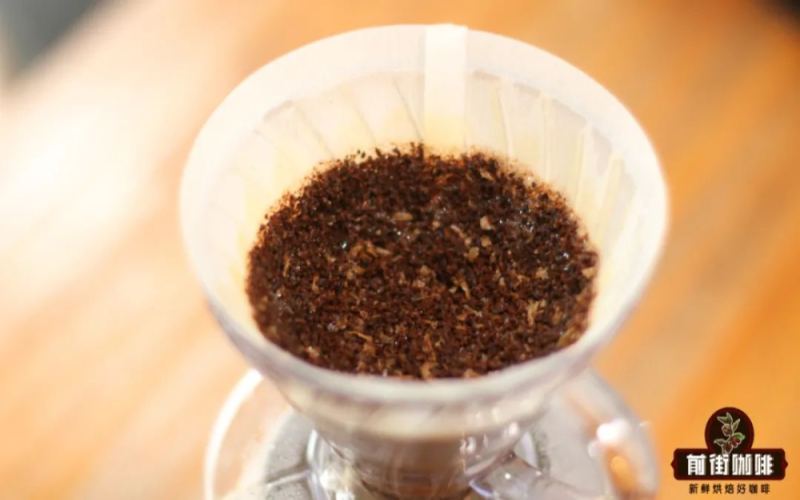
Three Major Reasons Why the Coffee Bed in Pour-Over Brewing Is Shallow or Disappears: Can the Depth of the Coffee Bed Really Determine Flavor Quality?
Many pour-over beginners don't run into clogging issues while brewing, yet after finishing, the coffee bed ends up perfectly flat, with no indentation at all. This shows that water flow control during extraction wasn't up to par, so a bowl-shaped bed couldn't form, which very easily leads to uneven extraction. Front Street has summarized three common mistakes: the bed wasn't lifted high enough, the water flow lacked enough stirring force, and the pouring circles were too wide in amplitude. We'll go through the causes one by one and give adjustment methods for each. Also, the depth of the coffee bed has no necessary connection to the roast level—whether you can produce a bed depression depends on your pouring technique, not how the beans were roasted, while the depth of the depression is determined by the dose of coffee. [more…]
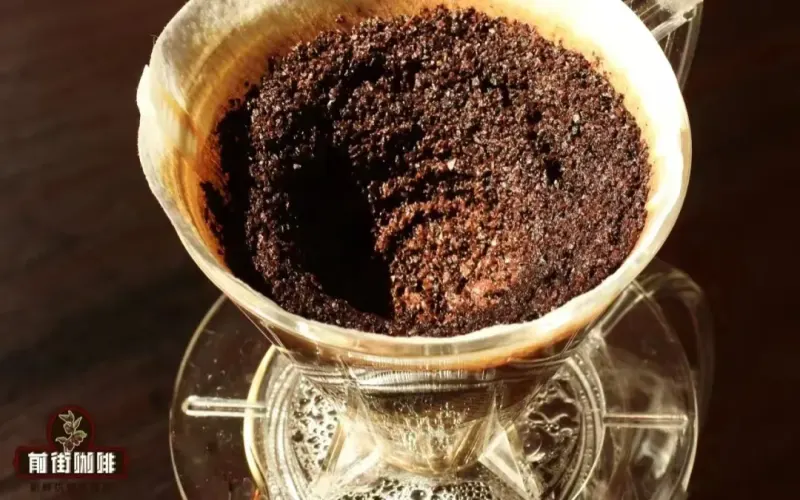
Analyzing the Relationship Between Pourover Coffee Bed Depth and Flavor: Conditions for Forming a Perfect Coffee Bed Beyond Even Pouring
Many pour-over enthusiasts habitually judge coffee quality by the shape of the coffee bed left in the dripper, believing that the deeper the bed, the better the taste. Is this belief correct? What can a deep bed actually tell us? In reality, the state of the coffee bed only reflects the uniformity of pouring and does not directly determine flavor. To produce an ideal coffee bed, uniform pouring alone is not enough—other conditions must also be met. This article will take a deep dive into the true relationship between the coffee bed and coffee taste, and share the complete set of factors that go into forming a perfect coffee bed. [more…]
Why Is 15g of Coffee Commonly the Single-Serving Standard for Pour-Over? A Full Analysis of the Differences Between 01 and 02 Drippers
When browsing brands like Front Street Coffee or coffee teaching courses, you will often see single-origin beans recommended for brewing with 15g of coffee grounds. This number seems to have become the golden standard for pour-over coffee, but why exactly 15g? What problems would 10g or 20g bring? Starting from Front Street Coffee's teaching practice, this article deeply analyzes the impact of coffee dose on coffee bed depth, water flow state, and extraction results, explaining why 15g can become the most suitable single-serving parameter for the 01 dripper. At the same time, many enthusiasts are also curious about the difference between the 01 and 02 drippers. We will provide an answer from the perspective of coffee bed depth and extraction uniformity, helping you understand the logic behind the parameters and brew more stable and delicious pour-over coffee. [more…]
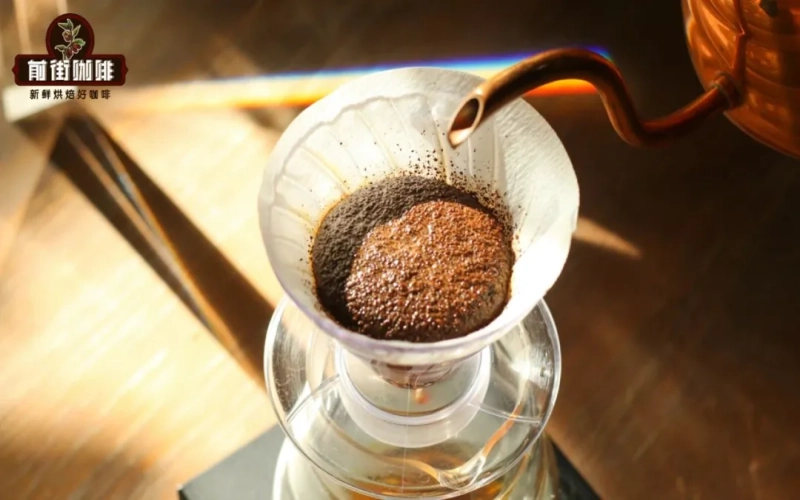
How Do Pour-Over Coffee Bed Depth and Shape Influence Flavor? A Detailed Explanation of the Differences Between Flat-Bottom Drippers and Conical V60
In the world of pour-over coffee, the shape of the coffee bed is often overlooked, yet it profoundly influences the final flavor expression. Starting from cases previously shared by Front Street Coffee, this article systematically sorts out the specific effects of coffee bed thickness and shape on extraction efficiency, stability, and coffee taste. You will learn why the same beans present completely different layers or balance in different drippers, and also understand why every dripper has a recommended dose. Through a comparative brewing example of Front Street Coffee Ethiopia Huakui, we will intuitively see the flavor differences brought by conical drippers and flat-bottom drippers, helping you understand more thoroughly the logic behind dripper selection, so you can brew a good cup of coffee more confidently. [more…]
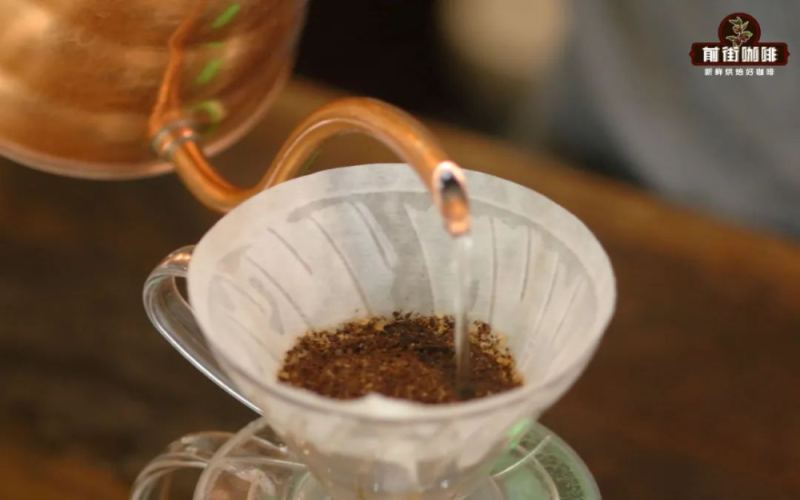
Why Doesn't the Coffee Bloom Puff Up During Pour-Over? An In-Depth Look at the Principles of Degassing and Expansion, Plus Practical Tips
In the bloom phase of pour-over coffee, after water is added, the coffee bed should absorb water and expand, forming a plump "hamburger" dome. But sometimes we find the coffee bed utterly motionless, with no sign of expansion at all—what exactly lies behind this? This article will systematically sort through the various factors that cause a bloom that fails to swell, analyzing everything from the freshness of the coffee beans and storage methods to grind size and roast level. It will also explain the possible effects of an overly long bloom time and offer Front Street Coffee's grinding calibration recommendations for actual practice, helping you pinpoint the root of the problem and improve the consistency and flavor performance of every cup of pour-over. [more…]
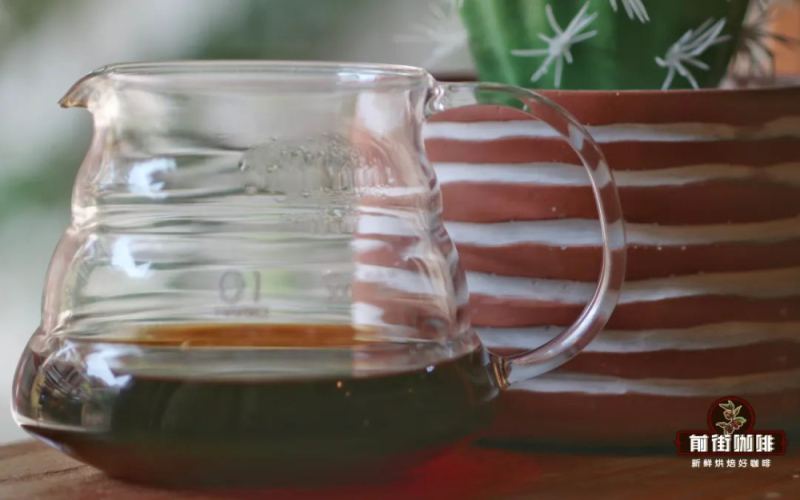
What factors affect the color depth of pour-over coffee, and how can clarity be improved?
After brewing is complete, the state of the coffee bed can reveal a lot about the extraction, and the color of the coffee liquid is also often used as a basis for judgment. Many people, upon seeing darker-colored coffee, instinctively assume it tastes stronger, or even suspect it is murky. In fact, the depth of color is related to extraction yield and roast level, but it does not directly equate to a higher or lower level of clarity. This article starts with the color of the coffee liquid, analyzes whether dark color indicates murkiness, and, using Front Street Coffee's comparative brewing examples, explains how to judge clarity through taste rather than sight, while also offering practical advice on bean selection, resting beans, parameter control, and pouring technique. [more…]
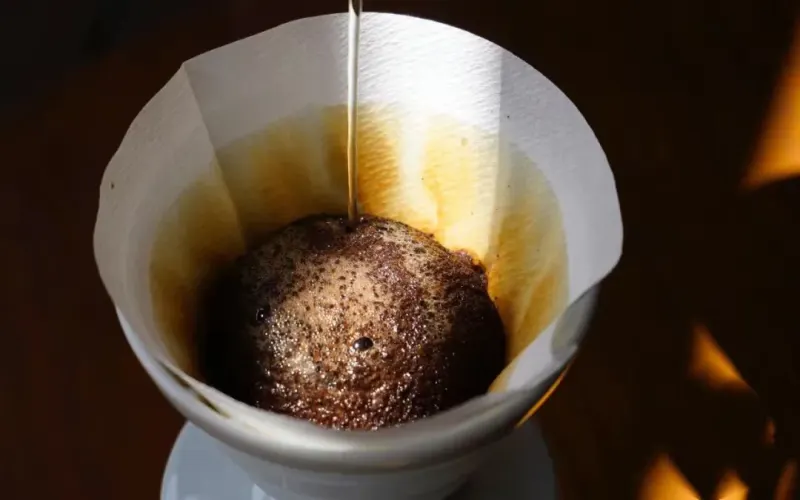
What affects the size of the bloom dome in pour-over coffee? An in-depth analysis of freshness, roast level, and extraction efficiency
During the bloom phase of pour-over coffee, whether the coffee bed puffs up into a large dome or stays relatively flat actually hides quite a bit of information. Although the degree of doming can't directly tell us whether the coffee tastes good, it can reflect the freshness of the coffee beans, the roast level, and the extraction efficiency during brewing. This time, Front Street Coffee will help everyone understand: why do some beans puff up like a balloon during the bloom while others stay flat and collapsed? What role does carbon dioxide play in this? Why do dark roasts and fresh beans puff up more? How do extraction parameters influence the degree of doming? Once you understand these things, you can read the bloom dome as a "bean status file" rather than mistakenly treating it as a standard for judging flavor quality. [more…]
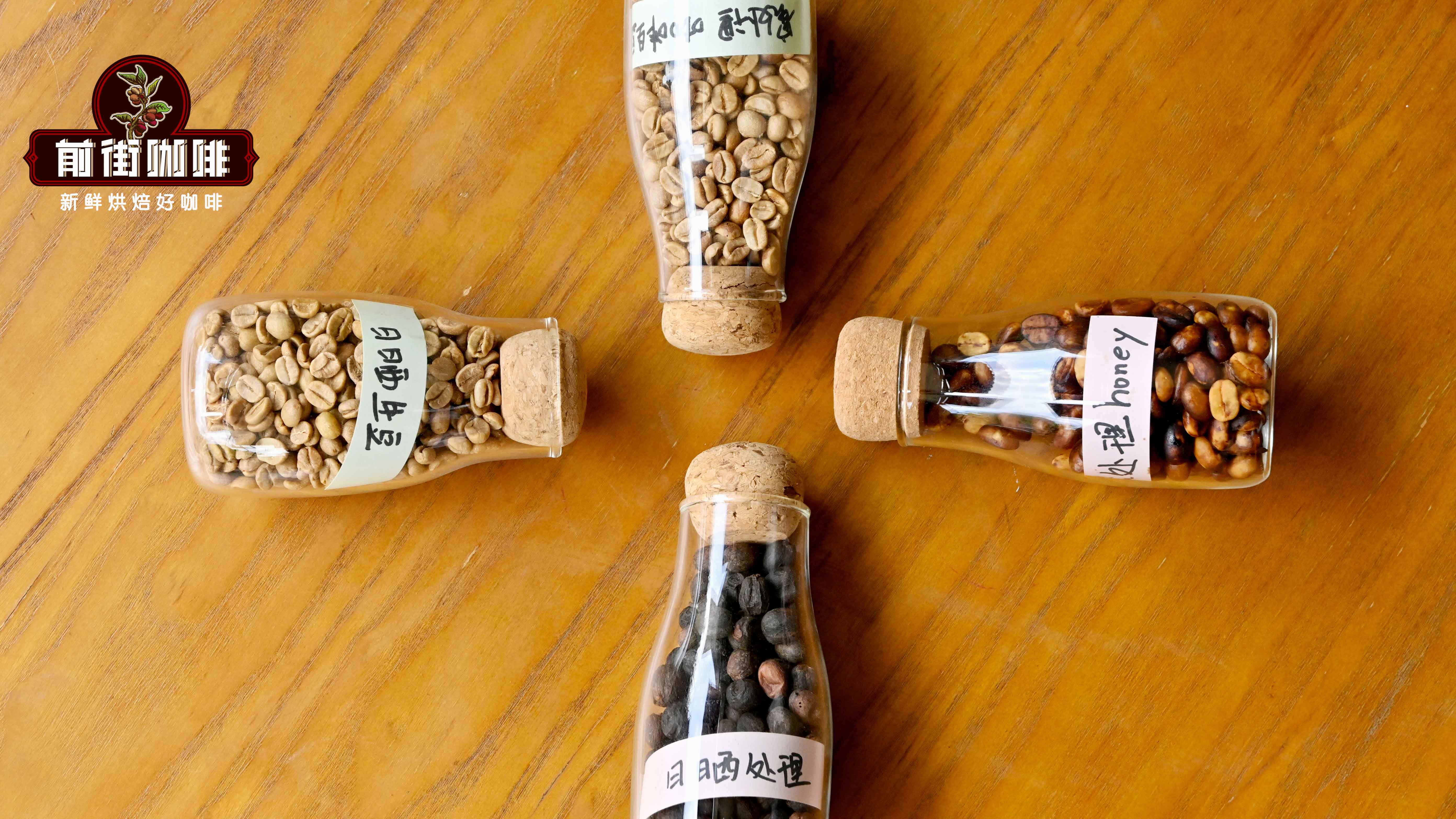
An In-Depth Analysis of the Natural Process: Advantages, Disadvantages, and Flavor Evolution from Traditional Sun-Drying to Slow Fermentation
The natural process is the oldest method of coffee processing, allowing the fruit to dry naturally while the beans mature inside the pulp, resulting in intense flavor and prominent sweetness. Today, the natural process has been refined, from African raised beds to single-layer slow fermentation, greatly improving quality and even becoming the top choice for competition-grade coffee. This article will guide you through a comprehensive understanding of the natural process's operational flow, flavor advantages, traditional flaws, and modern improved techniques, and recommend freshly roasted beans such as Front Street Natural Huakui and Front Street Red Cherry, allowing you to understand the unique charm of naturally processed coffee from theory to practice. [more…]
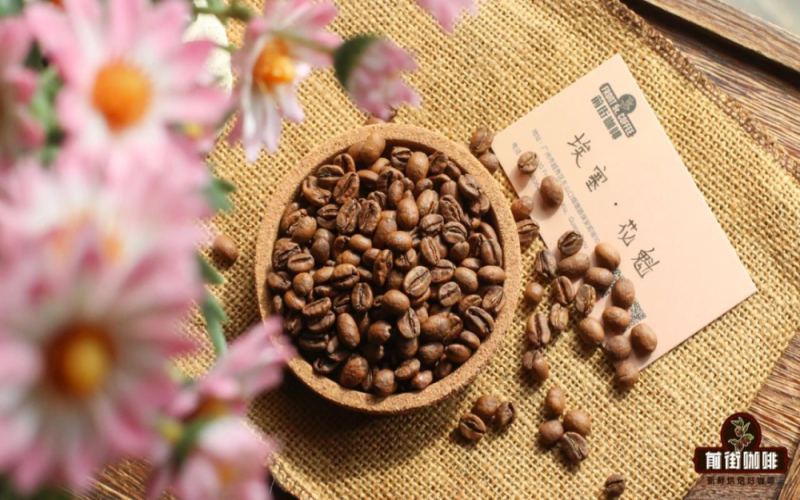
In-depth Analysis of the New Season Ethiopian Huakui Coffee Beans: Single-Origin Specialty Flavor from Hambela and Front Street Coffee Roasting Suggestions
Every year, the new-crop Ethiopian Flower Queen captures the attention of many coffee lovers. This sun-dried specialty from the Guji Hambela region, named for its 2017 TOH championship honor, has now become a star among single-origin coffees. This season's Front Street Flower Queen continues the African raised-bed drying process, with fine fermentation under low-temperature conditions, presenting layered notes of floral aromas, red wine, and tropical fruit. Depending on the roast level, a light-to-medium roast preserves elegant floral notes and citrus acidity, making it suitable for pour-over and other atmospheric-pressure brewing methods; a medium roast enhances body and can be used to make SOE and moka pot coffee. This article will comprehensively cover the Flower Queen's origin background, variety characteristics, processing method, and flavor performance, taking you deeper into this bean's unique charm. [more…]

An In-Depth Analysis of Pour-Over Coffee Stirring Techniques: From Champion Methods to Extraction Effects
In the process of pour-over coffee, the action of stirring the coffee bed has attracted increasing attention from enthusiasts in recent years. Some hope to enhance the sweetness and flavor layers of coffee through stirring, while others remain skeptical of its effects. This article, from the perspective of Front Street, reviews the origins and representative figures of stirring techniques, analyzes the different roles of stirring during the blooming stage and the main extraction stage, and, combined with practical comparative experiments, explores the impact of stirring on extraction results, as well as issues that need attention such as fine particle clogging and bean quality, helping coffee enthusiasts make a more rational judgment on whether to stir and how to stir. [more…]
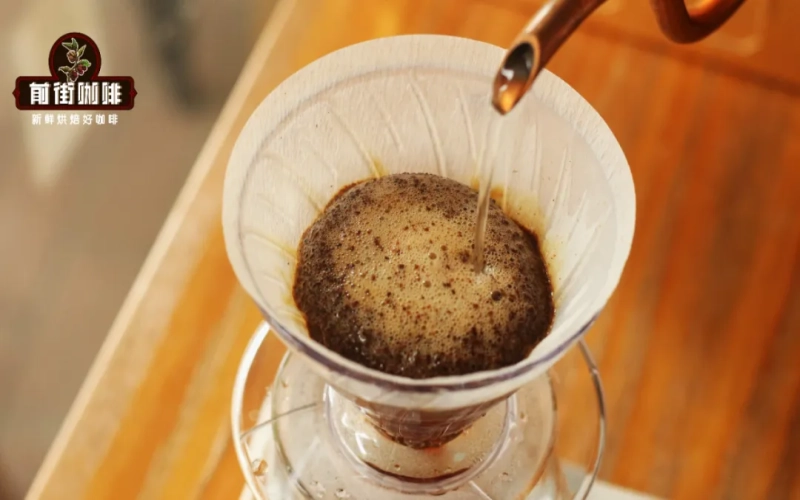
What are the advantages of the stirring blooming method in pour-over coffee? An in-depth analysis of the practical techniques of the Mad Barista stirring method
In the world of pour-over coffee, the agitation method is a more aggressive extraction technique than water-stream agitation. It acts directly on the coffee bed through a tool, accelerating the release of soluble flavor compounds. Front Street Coffee shared this method last year, but did not elaborate on the specific steps. This article will systematically sort out the three major application scenarios of the agitation method—the blooming stage, remedial action when extraction efficiency is insufficient, and its use when actively adjusting parameters—and provide an in-depth analysis of the key details to note when using agitation, such as grind size, agitation force, and number of agitations, helping coffee enthusiasts master this technique more precisely. [more…]
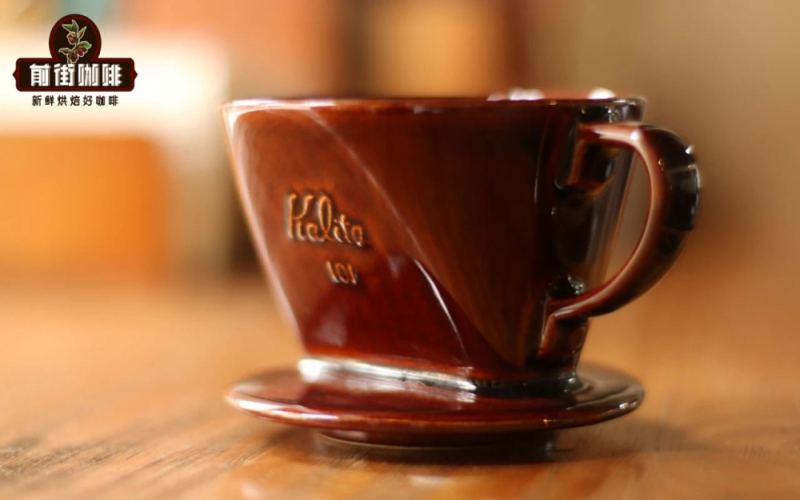
Conical vs. Flat-Bottom Dripper Showdown: Extraction Differences and Brewing Essentials of the Hario V60 and Kalita Wave
In the third wave of specialty coffee, pour-over coffee has become the top choice for many enthusiasts thanks to its clean cup profile and its ability to showcase origin flavors. As the core piece of equipment, the dripper's shape design directly affects the extraction path—conical drippers represented by the Hario V60 emphasize layers and fruit acidity, while the flat-bottom dripper pioneered by the Kalita Wave focuses on balance and sweetness. Front Street Coffee commonly uses the V60 in its daily production. This article will systematically compare the extraction logic of the two drippers from the perspectives of pouring uniformity, coffee bed depth, rib structure, and drain hole design, and will include three-pour brewing parameters for the flat-bottom dripper to help you find a clearer direction in equipment selection and technique adjustment. [more…]
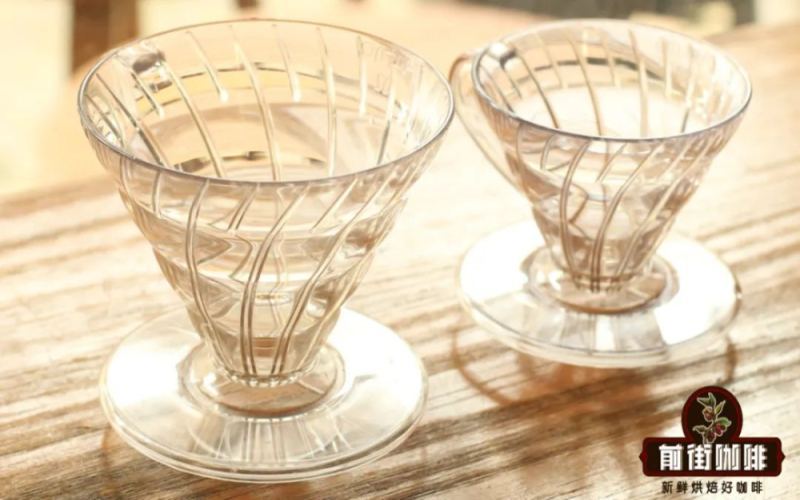
Analysis of the Differences Between Size 01 and 02 Drippers: Why It's Hard for a Large Dripper to Replicate the Deliciousness of a Small One
Many coffee enthusiasts share this confusion: they can consistently brew delicious coffee with a size 01 small dripper, but when they switch to a size 02 large dripper, the results are always disappointing. This is not a regression in skill, but rather an essential difference in structure and usage logic between large and small drippers. The 01 dripper corresponds to 1–2 servings, while the 02 dripper corresponds to 3–4 servings. The difference is not just capacity—the drainage hole, bed depth, and flow rate all change with size. Front Street Coffee's brewing tutorials use the 01 dripper as the standard, but if the same technique is applied directly to the 02 dripper, over-extraction easily occurs due to excessively long extraction time. This article will analyze the core differences between the two drippers in depth and provide adjustment plans for the larger dripper, helping you brew satisfying coffee even with the 02 dripper. [more…]
Pour-Over Coffee Grounds-to-Water Ratio and Key Brewing Points for Huakui Beans: An Analysis of Dose, Grind Size, Water Temperature, and Pouring Rhythm
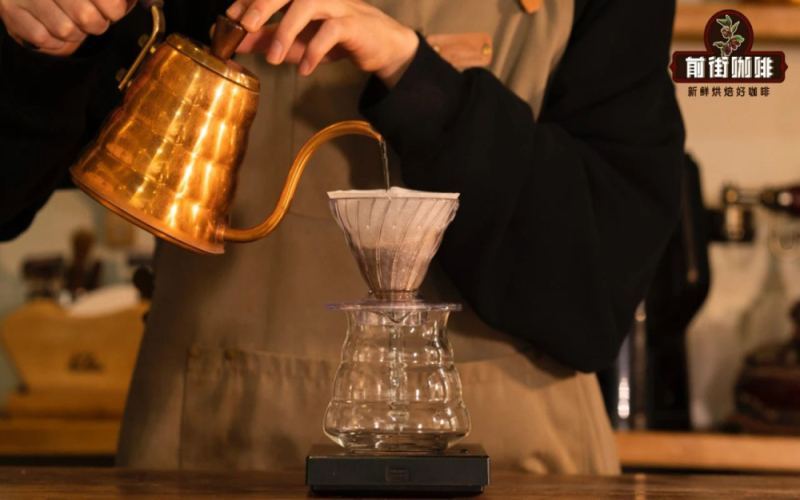
To consistently brew a good cup of coffee, you can't get around the basic parameters of dose, grind size, water temperature, and coffee-to-water ratio. Once these are set reasonably, the remaining variable mainly comes down to pouring technique. This article focuses on these core steps, explaining the interplay between bed depth, extraction yield, and strength, and provides a three-pour approach suitable for beginners. It then uses the 2025 new-crop Natural Hualkui as an example to walk through a practical routine of 15 g coffee, 1:15, 91°C, and an 80% passing rate, while clarifying the concepts of Hualkui and Geisha that are often confused. The article also includes Front Street Coffee-related product and article recommendations. [more…]
Ethiopia Aricha G1 Natural Bean Flavor Analysis: An In-Depth Introduction to the Project Origin Initiative
The Yirgacheffe Kebel Aricha processing station brings together the hard work of about 650 to 700 smallholder farmers in the surrounding area, who hand-pick ripe cherries in exchange for cash payments. After strict sorting, the fruit is spread on raised drying beds to undergo four to six weeks of sun exposure, and during the first few days it must be turned at regular intervals to prevent over-fermentation. This batch of natural Aricha was rated G1, the highest grade, by the ECX, with outstanding performance in green bean appearance, consistency, freshness, and dry and wet aroma. If you prefer bright acidity and intense berry notes, this bean is not to be missed. This article also introduces Project Origin, a green bean sourcing initiative launched by Sasa Sestic. The program works directly with farmers in impoverished producing regions, pays purchasing fees 20% higher than the Fair Trade price, and is dedicated to strengthening the connection between roasters and coffee farmers. Front Street Coffee also recommends this excellent work with rich layers of flavor. [more…]
In-Depth Analysis of Single-Layer Sun-Dried Slow Fermentation (SLD): How the Hambela Region Produces High-Quality Natural Coffee
In the Guji region of Ethiopia, there is a place called Hambela that is quietly changing people's perception of natural coffee. Here, a processing method known as SLD—Single Layer Drying slow fermentation—is used, spreading coffee cherries in a single layer on raised beds and subjecting them to about 18 days of precise drying, so that every cherry receives the most even airflow and the fullest fermentation. Although this technique takes up more space and time, it gives the beans fuller sweetness and greater storage potential. Compared with traditional Yirgacheffe, Hambela coffee is gentler in acidity, yet superior in sweetness and body. This article will take you deeper into what makes this processing method unique and how it influences the final flavor of the coffee. Front Street Coffee also particularly recommends paying attention to beans from this region and experiencing their appealing expression, as warm and smooth as fruit tea. [more…]
An In-Depth Analysis of Rwandan Bourbon Coffee: From Regional Terroir to Washed Processing and Flavor Characteristics
Rwanda is known as the "Land of a Thousand Hills." Its fertile volcanic soil, abundant rainfall, and mild year-round climate give rise to distinctive Arabica coffee. This article focuses on Front Street Rwanda Bourbon specialty coffee, systematically introducing the growing conditions of its Rutsiro producing area in the Western Province, the washed fermentation and raised-bed drying process at the Muyi processing plant, and recommendations from City Roast to Dark City Roast. This AA-grade coffee has plump beans, with mild yet balanced and stable acidity, and flavors layered with red apple, cherry, cinnamon, and honey. At the same time, the article also reviews the current state of Rwanda's coffee industry, the differences among its five major producing regions, and the attention and purchasing partnerships that international buyers such as Starbucks have given to Rwandan coffee. [more…]
Analysis of the Differences Between Cake Filter Cups and V60 Cone Filter Cups: Sharing the Brewing Pros and Cons of Flat-Bottom Filter Cups and Practical Parameters
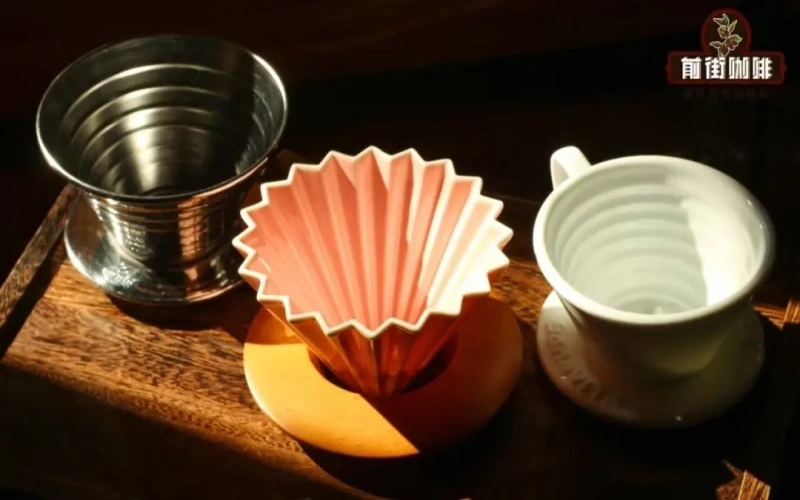
Among pour-over coffee equipment, cone-shaped drippers and flat-bottom drippers are two completely different choices. The cake dripper gets its name because its filter paper resembles baking paper, and its flat bottom brings extraction characteristics opposite to those of the V60: the coffee bed is thinner and more uniform in depth, pouring does not require deliberately controlling the range, and even beginners can easily brew a balanced and full-bodied cup of coffee. Of course, the relatively slow flow rate also requires us to make targeted adjustments in our parameters. In this article, Front Street will analyze the structural principles and flavor tendencies of the cake dripper, and share a specific method for brewing Ethiopian Hamashu with the Origami dripper, including coffee dose, water temperature, grind size, and staged pouring technique, to give you a comprehensive understanding of the advantages and disadvantages of flat-bottom drippers. [more…]
A Great Bean Overshadowed by the Geisha Halo: An In-Depth Analysis of Panama Hacienda La Esmeralda Diamond Mountain Catuai Coffee Beans
When people mention Hacienda La Esmeralda in Panama, most think first and only of Geisha, often overlooking another high-value product line under its umbrella—Diamond Mountain. This article focuses on the newly introduced sun-dried Diamond Mountain Catuai coffee beans from Front Street Coffee: first, it reviews the brand classifications on the Hacienda La Esmeralda official website, then delves into the two major farms behind Diamond Mountain, Jaramillo and Cañas Verdes, interpreting the local altitude, temperature differences, and rainfall conditions; subsequently, it introduces the origin and characteristics of the Catuai variety, the specific process of sun-drying, and discloses Front Street's medium-light roasting curve, cupping conclusions, and V60 three-stage brewing parameters, helping coffee enthusiasts appreciate the balanced flavors of Hacienda La Esmeralda at a more accessible threshold. [more…]
An In-Depth Analysis of Jamaican Blue Mountain Coffee: Clifton Estate Washed and Natural Processing Methods with Front Street Coffee Roasting and Brewing Recommendations
Jamaican Blue Mountain coffee is renowned worldwide for its exceptional quality, but the true production area for Blue Mountain coffee beans is in fact extremely limited. This article will explore in depth the production background of Front Street Jamaican Blue Mountain coffee—Clifton Estate—analyze the process details and evolution of its washed and natural processing methods, and provide a detailed introduction to Front Street Coffee's roasting analysis and brewing recommendations. From CIB's strict grading standards to the traditional wooden barrel packaging, from the cultivation conditions of the Typica variety to the extraction techniques of the KONO dripper, this will give you a comprehensive understanding of the unique charm of this legendary coffee. [more…]